Jensen Hu
Data Science Portfolio

Data Science Portfolio
Jensen Hu
August 23, 2026
Hi there! My name is Jensen Hu :) I'm a Senior Data Analytics Developer at Mathematica (~3 years) and before that I was at the New York City Department of Health and Mental Hygiene as a Health Data Scientist (3.5 years). I've spent my time on projects related to early childhood education, return to work after disability, school meal operations, COVID19 vaccination rates, and other Department of Education projects. I enjoy building reporting tools and visualizations in R, Stata, SAS, Python.
---
title: "About"
aliases:
  - /about/
  - /about.html
---

```{=html}
<div class="about-container">
  <img src="/images/0.jpeg" alt="Jensen Hu" class="about-photo">
  <p class="message">
  Hi there! My name is Jensen Hu :) I'm a Senior Data Analytics Developer at Mathematica (~3 years) and before that I was at the New York City Department of Health and Mental Hygiene as a Health Data Scientist (3.5 years). I've spent my time on projects related to early childhood education, return to work after disability, school meal operations, COVID19 vaccination rates, and other Department of Education projects. I enjoy building reporting tools and visualizations in R, Stata, SAS, Python.
  </p>
</div>
```

## Resume

```{=html}
<div class="resume-section">
  <a href="/public/resume/jensen-hu-resume.pdf" class="resume-button" target="_blank" rel="noopener">
    View / Download Résumé (PDF)
  </a>
</div>
```

## Automating Reporting Methods

```{=html}
<div class="portfolio-grid">
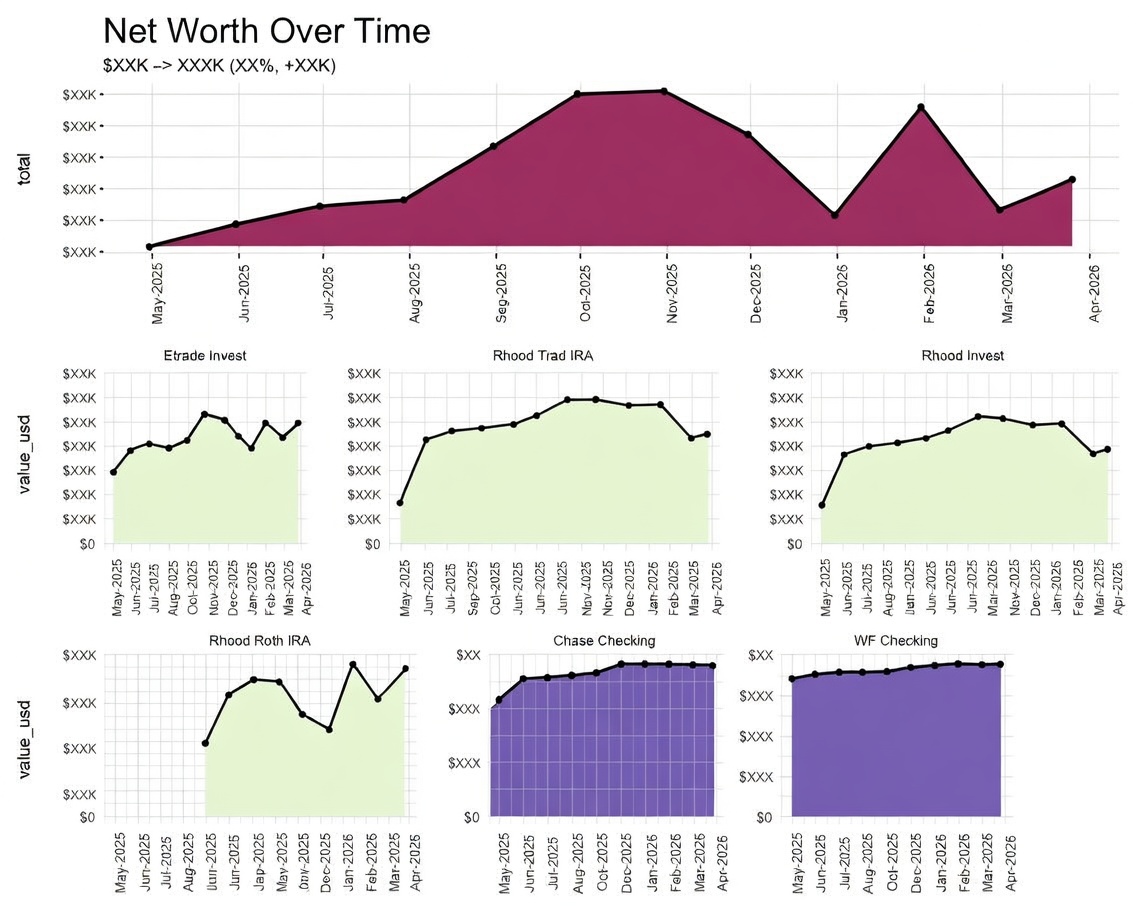
  <a href="chapters/finance-reporting.qmd" class="portfolio-item">
    <img src="/images/networth_obfs.jpg" alt="Finance Tracking Automation">
    <div class="overlay">
      <div class="title">Finance Tracking Automation</div>
      <div class="subtitle">Plaid + Google Sheets + R</div>
    </div>
  </a>
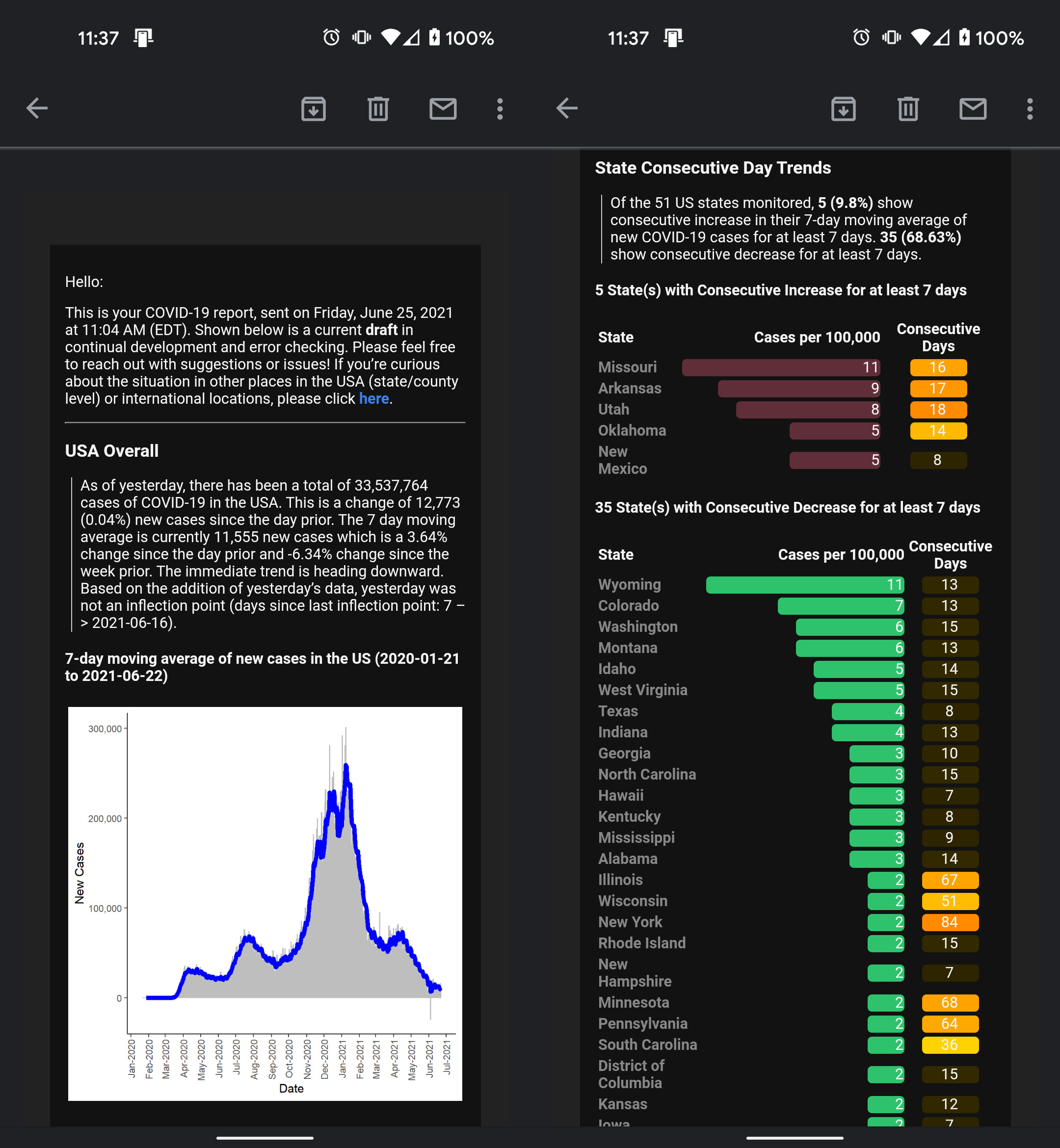
  <a href="chapters/covid19-email-report.qmd" class="portfolio-item">
    <img src="/images/joined1_2.jpg" alt="COVID Email Reporting">
    <div class="overlay">
      <div class="title">COVID Email Reporting</div>
      <div class="subtitle">Automated Pandemic Reports</div>
    </div>
  </a>
</div>
```

## AI-Supported Projects

```{=html}
<div class="portfolio-grid">
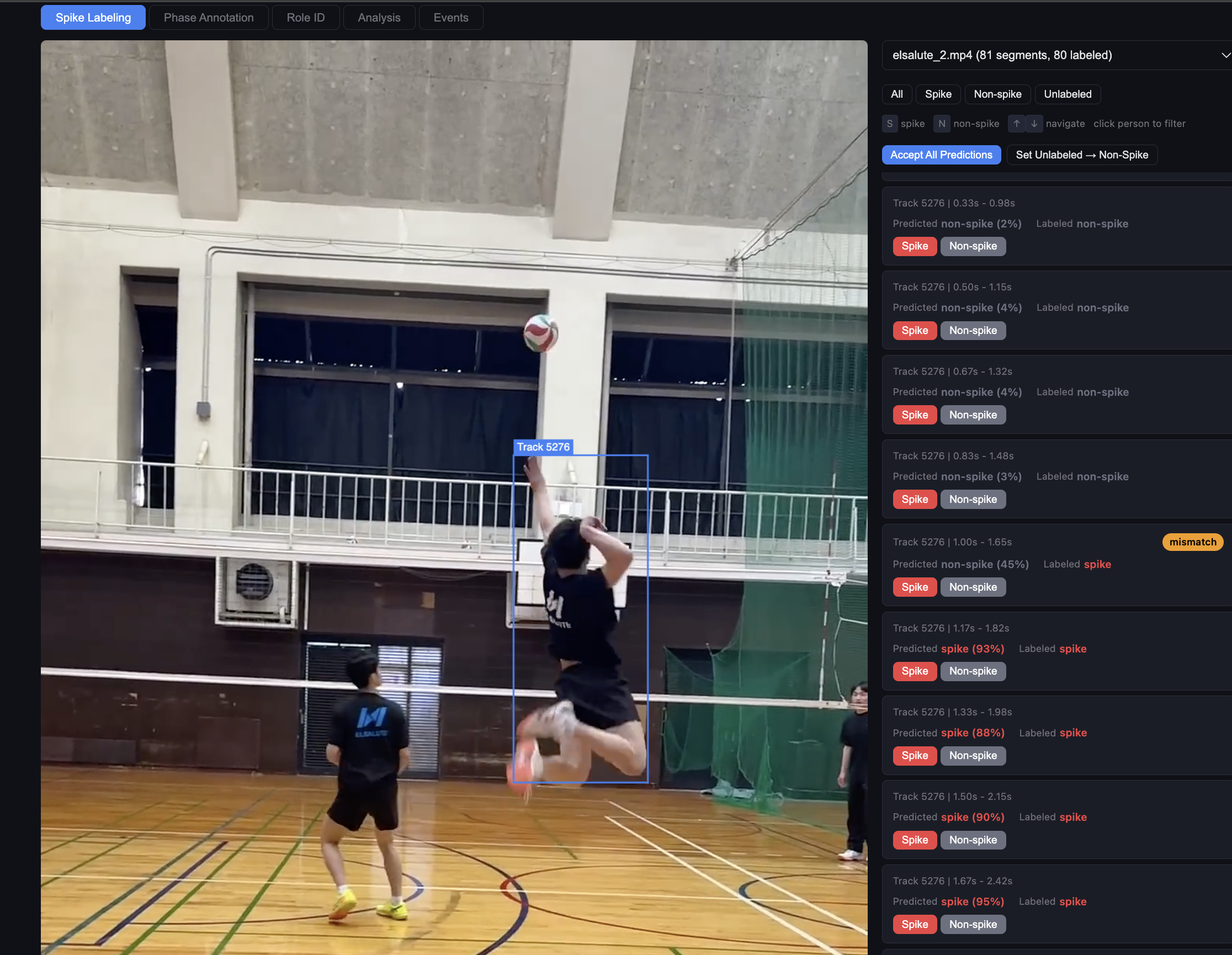
  <a href="chapters/spike-detection.qmd" class="portfolio-item">
    <img src="/images/spike_portfolio_1.png" alt="Spike Detection">
    <div class="overlay">
      <div class="title">Spike Detection</div>
      <div class="subtitle">Computer Vision - BI-LSTM</div>
    </div>
  </a>
</div>
```

## Data Exploration & Visualization

```{=html}
<div class="portfolio-grid">
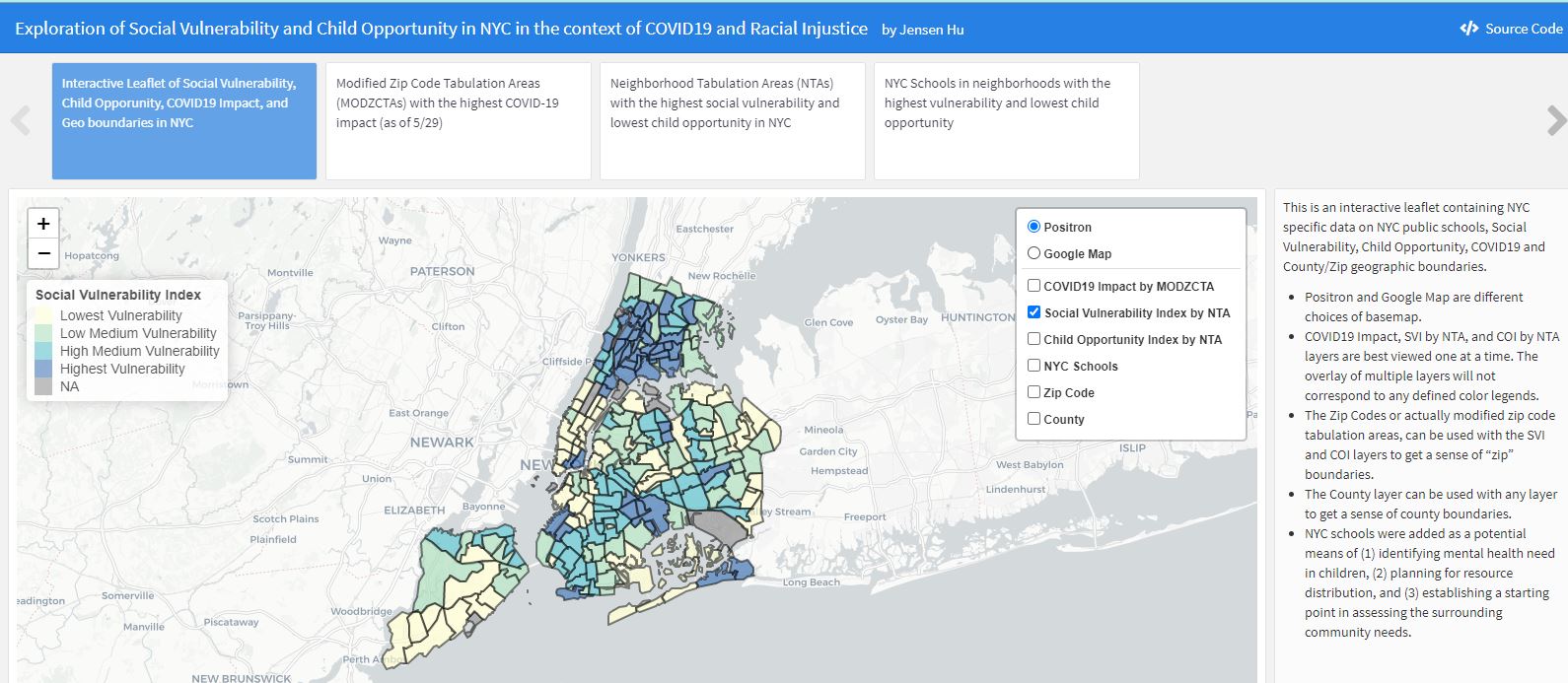
  <a href="chapters/nyc-social-vulnerability-mental-health.qmd" class="portfolio-item">
    <img src="/images/mh_needs_svi_dash.PNG" alt="NYC Social Vulnerability">
    <div class="overlay">
      <div class="title">NYC Social Vulnerability</div>
      <div class="subtitle">Child Mental Health Need</div>
    </div>
  </a>
</div>
```